
Gold metal clay comes up often once people have made a few pieces in silver and start wondering how far the material goes. The short answer is that gold metal clay exists, it works on exactly the same principle as silver clay, and for most people working at home it is not the sensible next step. Here is why, without talking anyone out of it.
What gold metal clay is
Same idea as silver: fine metal powder suspended in an organic binder that burns away during firing, leaving the particles to sinter into solid metal. Roll it, shape it, dry it, fire it. If you have used silver clay, the handling will feel familiar.
It is generally sold in high-karat form and in much smaller quantities than silver clay — a reflection of the raw material cost rather than any difference in how it behaves.
How gold metal clay differs from silver clay in practice
Three differences matter.
Firing. Most gold clays are specified for kiln firing rather than a hand torch, and requirements vary between products — always work from the manufacturer's instructions for the exact clay you have bought. Silver clay, by contrast, can be torch-fired at a kitchen table.
Cost per mistake. With silver, a piece that cracks is a small loss and a useful lesson. With gold, the same mistake is expensive enough to make people cautious, which is not a good state of mind for learning a new material.
Quantity. Gold clay is usually sold in very small amounts, which tends to limit it to accents and tiny pieces rather than a full ring band.
The honest cost question
Gold is many times the price of silver by weight, and metal clay is priced accordingly. That single fact shapes everything: what people make with it, how much they practise first, and why nearly everyone learns on silver.
None of this makes gold clay a bad product. It simply means the learning is better done elsewhere.
Gold accents on silver
A common middle path is to make the piece in silver and add gold only where it shows. Keum-boo — bonding thin gold foil to fine silver with heat and pressure — is a traditional technique, and it suits silver clay pieces particularly well precisely because they fire to 99.9% fine silver rather than sterling. Pure silver takes gold foil more readily than alloyed silver does.
The result is a gold detail on a piece you could afford to make three times over while you got it right.
Where most people should start
If gold metal clay is what caught your interest, the skills transfer almost entirely: shaping, drying, refining greenware, firing, finishing. Learn them on silver and you lose nothing.
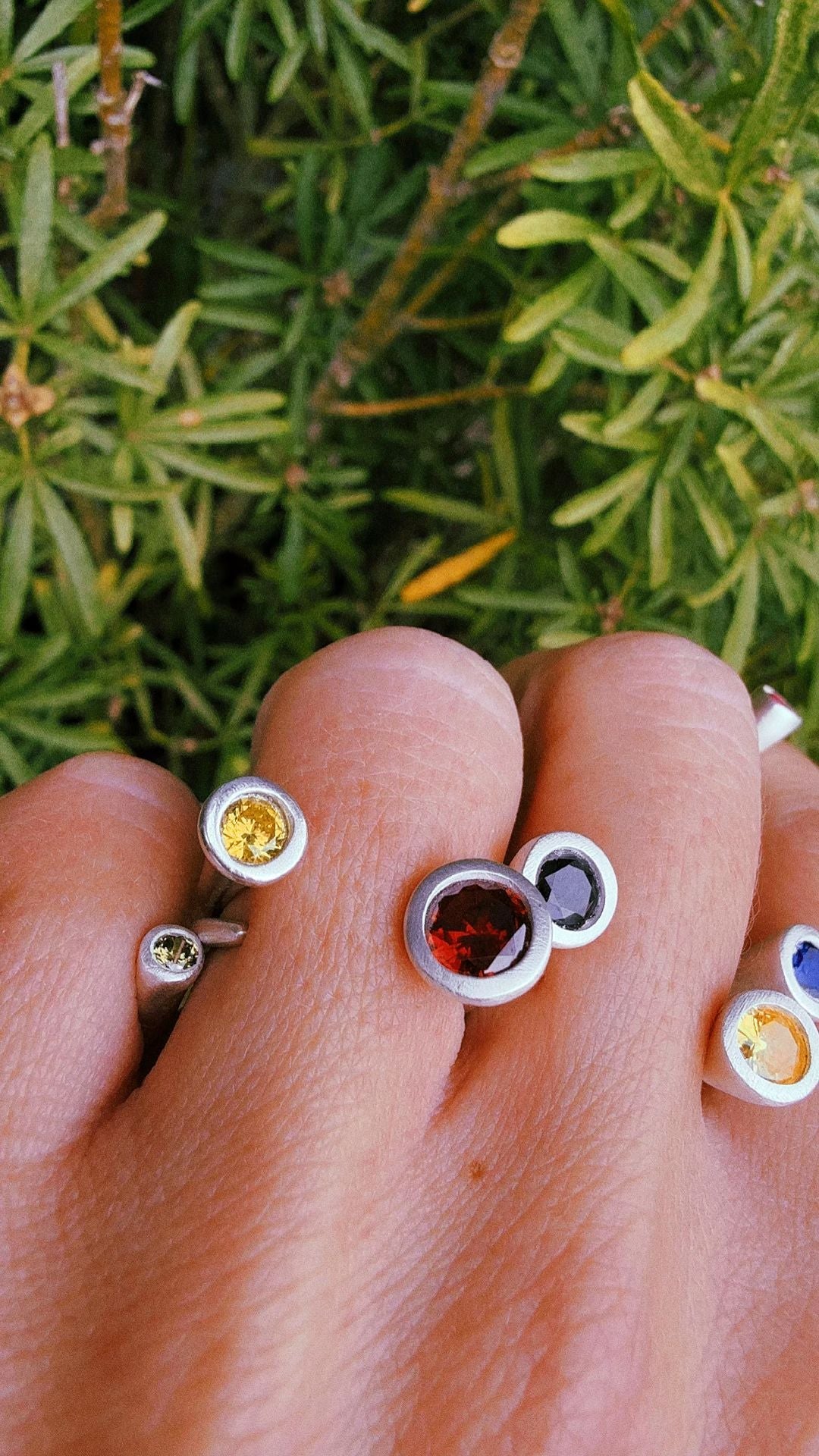
Our complete silver clay guide covers the material end to end, and how to use silver clay takes you through a first piece. If you want to begin, the silver clay starter kit includes the clay, a torch, tools, cubic zirconia stones and instructions — everything for a first piece in real 99.9% fine silver. We ship worldwide with duties covered.