

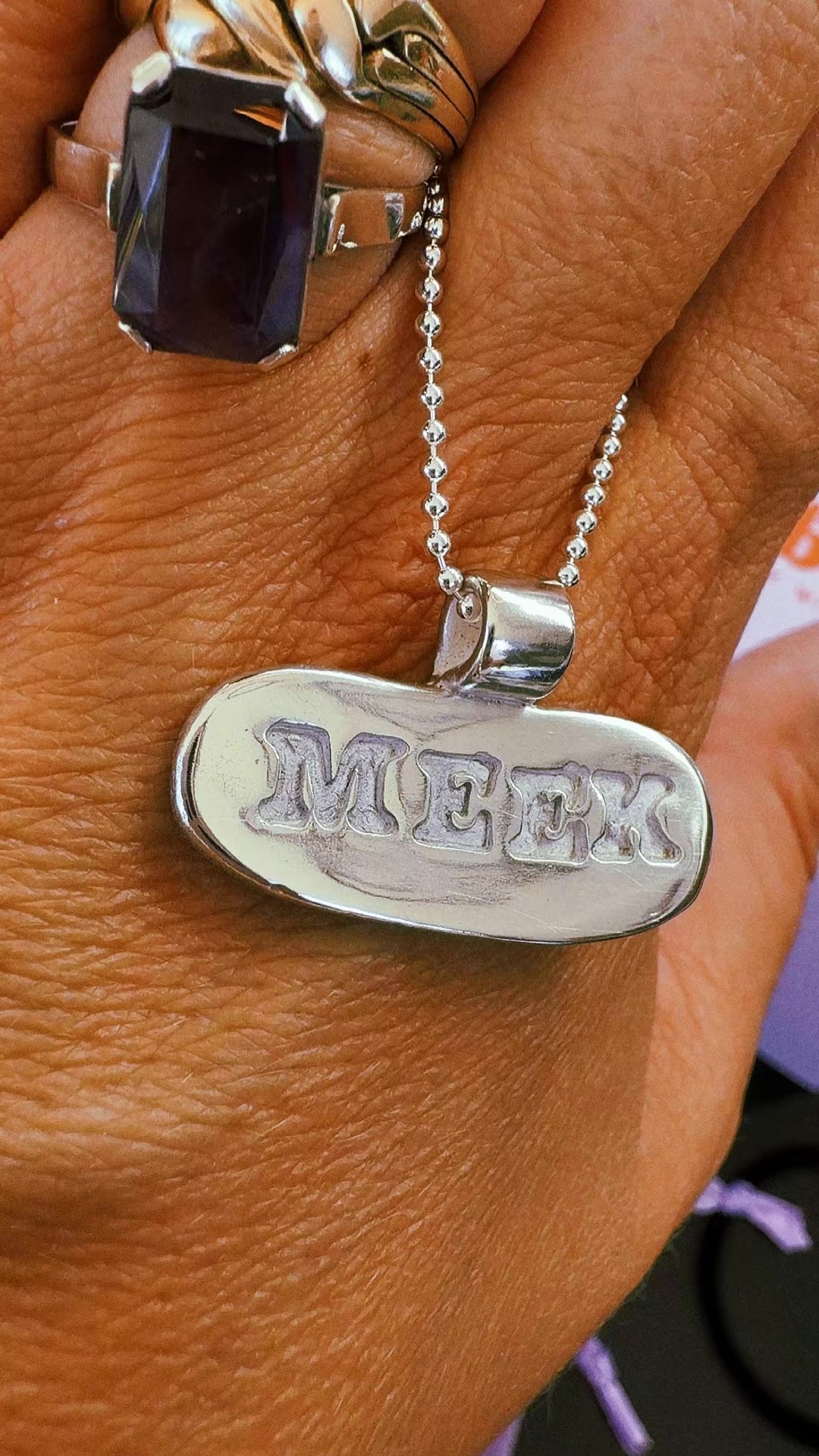
Cleaning silver jewelry at home needs warm water, a mild soap and a soft cloth — not a trip to a jeweller. Silver dulls over time because that is simply what silver does, and almost all of it comes back after a few gentle minutes at the kitchen sink. If you make your own pieces from silver clay there is a small bonus: fired silver clay is 99.9% fine silver, and fine silver tarnishes more slowly than sterling.
Why silver goes dull in the first place
Tarnish is not dirt and it is not damage. It is a thin dark film that forms when silver meets sulphur compounds in the air, and it builds up faster in humid rooms, in sealed plastic boxes, and on pieces that never get worn. Perfume, hairspray, hand cream and chlorinated water all speed it along. The metal underneath is untouched, so you are only lifting a surface layer — which is why gentle methods work and harsh ones do more harm than good.
The gentle method for cleaning silver jewelry at home
This handles everyday dullness, skin oils and light tarnish on almost any piece.
- Fill a bowl with warm (not hot) water and add a drop of washing-up liquid.
- Let the piece sit for a few minutes so oils and residue loosen.
- Work gently around detail and texture with a soft toothbrush.
- Rinse thoroughly in clean water — leftover soap leaves its own film.
- Dry completely with a soft lint-free cloth before putting it away.
Bringing back the shine
Once a piece is clean and dry, a proper silver polishing cloth does the rest. The impregnated inner layer lifts tarnish and the outer layer buffs; a few passes is usually enough. Work along the flat surfaces and leave the recesses alone — on a textured or stamped piece the darker low areas are what give the design its depth, and stripping them out flattens the whole look.
What to avoid
- Toothpaste and household scouring creams — they are abrasive and leave fine scratches.
- Bleach and anything chlorine-based, which attacks silver rather than cleaning it.
- Boiling water or sudden temperature changes on stone-set pieces.
- Leaving a piece to soak for hours; minutes are enough.
- Aggressive scrubbing on hand-made texture, which is very hard to put back.
Pieces with stones set in them
Cubic zirconia is hard and heat-stable, so a lab-set stone in a handmade silver piece copes fine with warm soapy water. Softer or porous stones such as opal, turquoise and pearl are the ones to be careful with: wipe those with a barely damp cloth instead of submerging them, and keep polish away from the stone itself.
Keeping tarnish away for longer
Storage does more than cleaning ever will. Keep pieces dry, ideally in a soft pouch or a lined box rather than loose in a bathroom. Put jewellery on last, after perfume and hand cream, and take it off before swimming or cleaning. And wear it — the pieces that stay bright are the ones that get handled, not the ones saved for special occasions.
If you would like to make the silver you are cleaning, our complete guide to silver clay explains how clay becomes 99.9% fine silver, and the silver clay starter kit contains the clay, torch, tools, a cubic zirconia and instructions to make a first piece at home. We ship worldwide with duties covered.