
If you have ever turned a piece of jewellery over and found “999” stamped on the back, you have been looking at fine silver. So what is 999 silver, and how does it differ from the sterling silver most shops sell? The short answer is purity: 999 silver is 99.9% pure, with only a trace of anything else in the mix. That single fact explains almost everything else about how it behaves.
What is 999 silver?
The number is a parts-per-thousand figure. 999 means 999 parts silver out of 1,000 — the rest is unavoidable trace material left over from refining. You will also see it written as .999, and it is often described simply as fine silver. It is the purest form of silver in everyday use, and it is what bullion bars, many collector coins and a good deal of handmade jewellery are made from.
Pure silver is soft and warm-toned. Held next to sterling, 999 silver looks slightly whiter and slightly less mirror-hard, and it feels a little more yielding under a burnisher.
999 silver vs 925 sterling silver
Sterling silver is 92.5% silver, with the remaining 7.5% usually copper. That copper is there for a reason: it makes the metal harder and springier, which is why sterling is the standard choice for chains, ring shanks, clasps and anything else that takes daily strain.
The trade-off is that copper is also what causes sterling to darken. Fine silver has almost none of it, so 999 silver is considerably more resistant to tarnish. It will still dull eventually — no silver is completely immune — but it stays bright far longer with far less effort.
Neither purity is better in the abstract. Sterling wins on durability. Fine silver wins on colour, tarnish resistance and, for anyone with sensitive skin, on having very little else in it.
Where 999 silver turns up in home jewellery making
This is where it gets interesting for makers. Silver clay is a modelling material made of fine silver particles held in an organic binder. You shape it like clay, let it dry, and then fire it. The binder burns away and the silver particles fuse, leaving a solid piece of 99.9% fine silver — 999 silver, made on a kitchen table.
The piece shrinks by roughly 8–10% as this happens, which is worth planning for when you are sizing anything that has to fit. Our clay is torch-firable, so you do not need a kiln to get there. If you want the full process step by step, the how to use silver clay guide covers shaping, drying and firing in order.
Caring for 999 silver
Very little is required. Keep it dry, keep it away from household chemicals and chlorinated water, and store it in a closed box or pouch rather than open on a dish. A soft cloth is usually enough to bring the shine back. Because fine silver is soft, avoid abrasive polishes and heavy scrubbing — they take metal off rather than just cleaning it.
Is 999 silver right for your project?
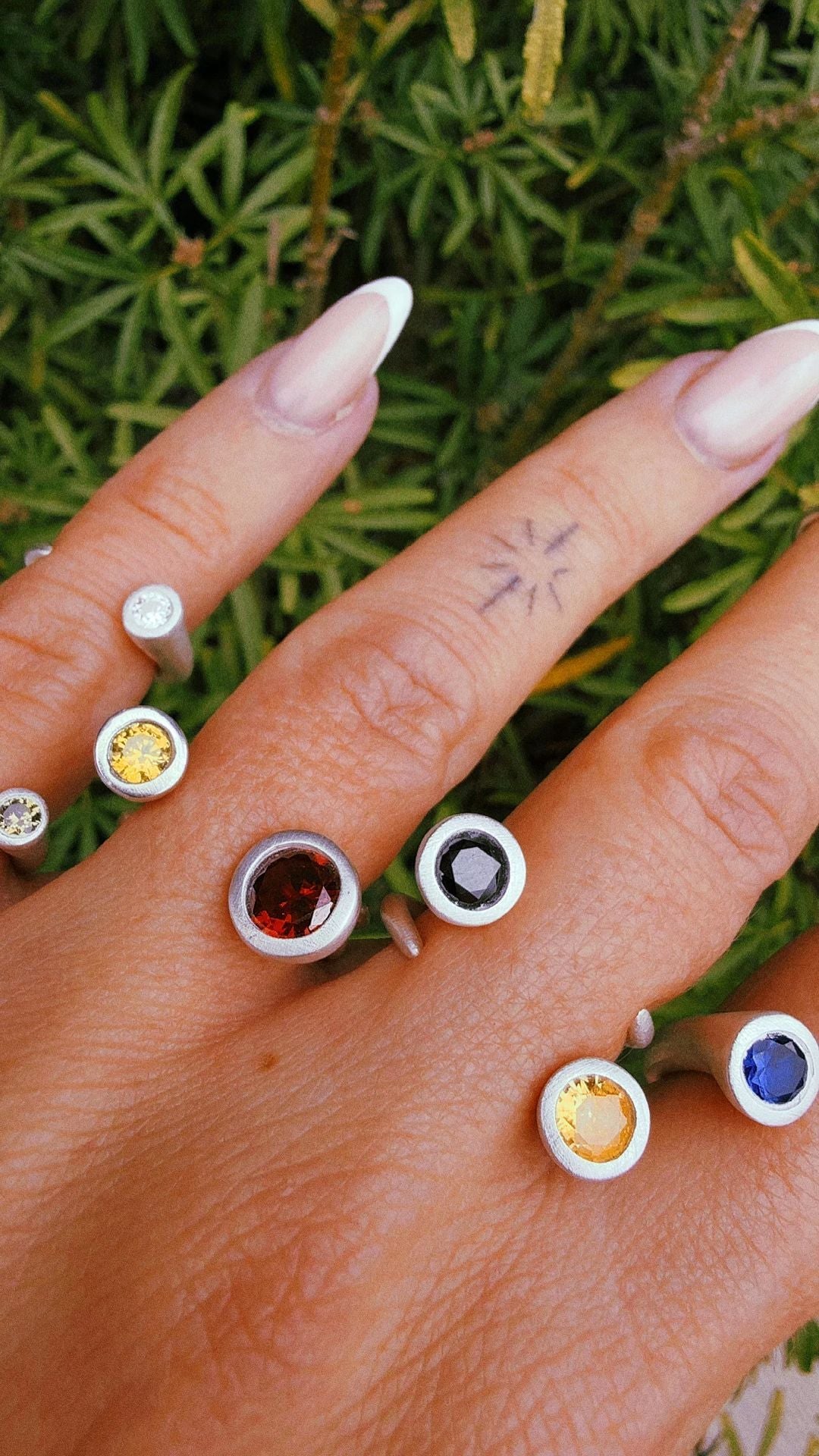
Pendants, earrings, charms and textured pieces are all well suited to fine silver: they hang or sit rather than getting knocked about, so softness is not a problem, and the brighter colour shows off texture beautifully. For a ring you will wear every day, be a little more thoughtful — a chunkier profile compensates for the softer metal.
If you would like to make something in 999 silver yourself, the silver clay starter kit includes clay, a torch, tools, a cubic zirconia and instructions, and the complete silver clay guide answers most of the questions that come up along the way. We ship worldwide with duties covered.