
Heirloom jewelry is not a category you can buy. No shop sells it, because nothing becomes an heirloom at the point of sale. It becomes one later, when somebody keeps it, wears it, and eventually hands it on. What you can do is make that choice easier: pick a material that lasts, a design that does not date, and give the piece a story worth repeating.
What makes heirloom jewelry last
Three qualities, and none of them is cost. The first is durability: the piece has to survive being worn, cleaned, dropped and stored badly for decades. The second is repairability, because everything wears eventually and a piece that can be mended will outlive one that cannot. The third is meaning. A plain band that belonged to a grandmother gets kept; a fashionable pendant nobody has a story about is quietly sold.
Choose a material that survives
Solid metal is the honest answer. Plated pieces wear through at the edges, often within a few years of regular wear, and once the plating has gone there is little to be done. Solid silver wears down slowly and evenly, and it can be polished, resized and repaired over and over.
Fine silver is 99.9% pure. It is softer than sterling, so it marks a little more easily, but it contains no copper, which means it resists tarnish better over the long run. Anything made from silver clay ends up as exactly that once it has been fired.
Design for forty years, not for this season
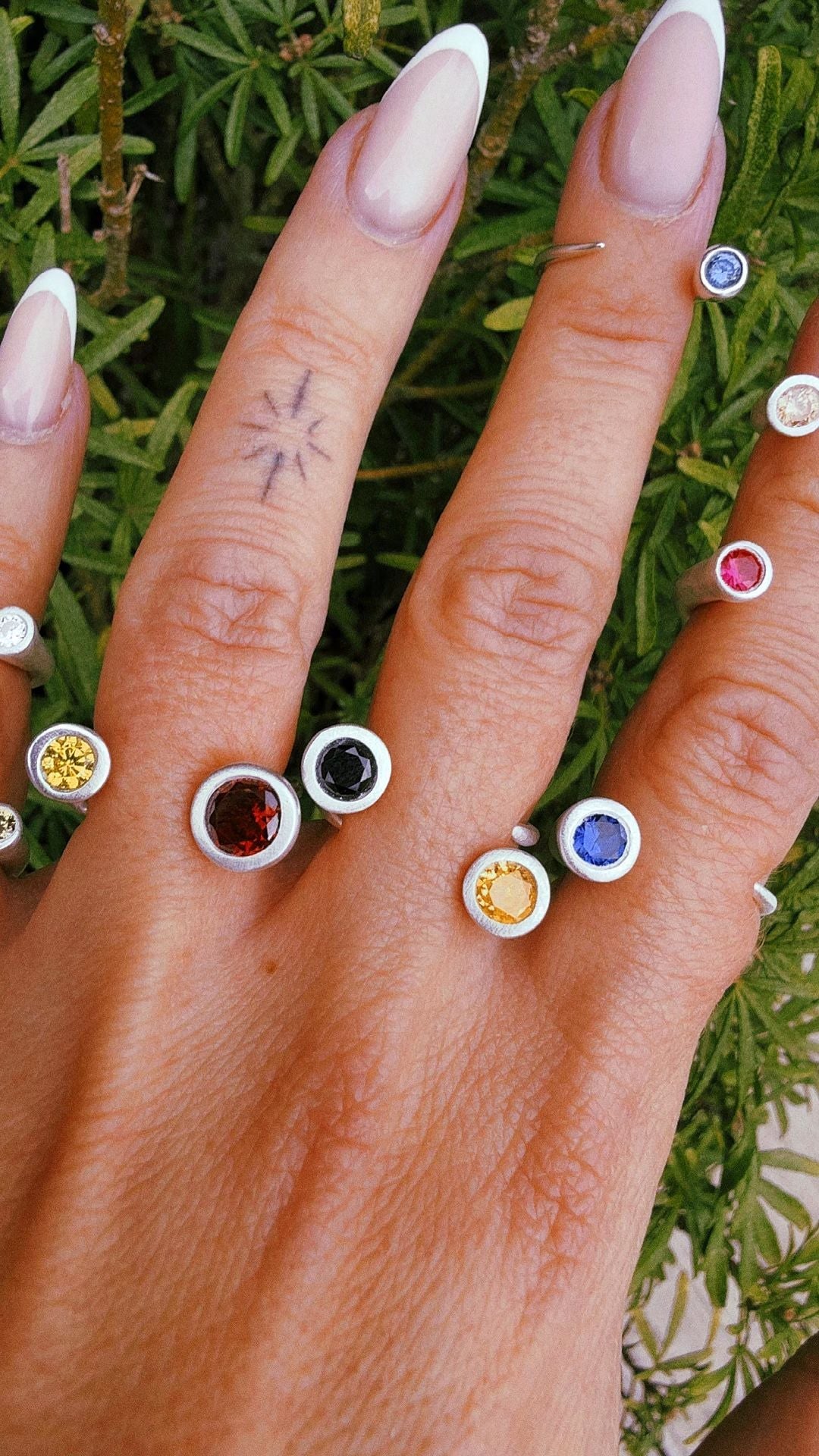
Trends age badly on jewellery precisely because jewellery lasts. A simple band, a plain disc, a single stone: all three were being worn a century ago and none will look odd in another one. If you want personality, put it in the detail rather than the silhouette. A texture, an initial, a date on the inside of a band, a fingerprint pressed into the surface. Those read as personal rather than dated.
Making one yourself
You do not need a workshop. Silver clay is fine silver powder held together with a binder, so it can be shaped like modelling clay, dried, and then fired with a small torch. The binder burns away, the silver particles fuse, and the piece shrinks by roughly 8 to 10% as it becomes solid metal. What comes out is 99.9% fine silver, the same material a jeweller would work with.
That matters for an heirloom because the piece can carry something no bought item can: an actual fingerprint, a child's handwriting, a texture taken from something in the family. If you have never worked with the material, the walkthrough on how to use silver clay covers the steps from shaping to firing, and everything needed for a first piece is in the starter kit.
Write the story down
This is the part people skip, and it is the part that decides whether a piece survives two generations or one. A card in the box saying who made it, when, and why costs nothing. Without it, an unmarked silver pendant is just an unmarked silver pendant to whoever inherits it.
Look after it sensibly, keep it dry and stored on its own, and there is no reason a piece made at a kitchen table this weekend should not still be worn in fifty years.