
What is metal clay made of?
Metal clay contains three things: extremely fine metal powder, an organic binder and water. The binder is what gives it that soft, workable feel, and it is also the part that disappears. When you fire the piece, the binder burns away and the metal particles fuse together, a process called sintering. What is left behind is metal and nothing else. With our silver clay, that means 99.9% fine silver.
This is why metal clay feels like a trick the first time you use it. The material you are holding is genuinely soft, and the object you get back is genuinely metal.
The metal clay family: silver, bronze, copper and gold
Metal clay is a category, not a single product. The same idea has been applied to several metals:
- Silver clay is by far the most common, and the friendliest to learn on. It fires at temperatures a handheld torch can reach.
- Bronze clay is cheaper per gram but usually needs a kiln and a controlled firing schedule.
- Copper clay behaves similarly to bronze and needs the same care.
- Gold clay exists, but the material cost puts most people off until they are confident.
If someone talks about "precious metal clay" or PMC, they usually mean silver clay specifically. PMC is a brand name that became shorthand for the whole material, the way people say biro for a ballpoint pen.
What happens during firing
Firing is the step that turns your dried clay object into metal. The piece is heated until the binder has burned off and the silver particles sinter into a solid mass. With silver clay this can be done with a small handheld torch on a firebrick, which is why it works on a kitchen table rather than in a studio.
You will see the piece glow, then settle. When it cools it looks chalky white, which surprises people who expect a mirror finish. That white surface is fine silver that has not been burnished yet. A few minutes with a brass brush and a polishing cloth brings up the shine.
Shrinkage: the one surprise for beginners
Because the binder burns away, the piece comes out smaller than it went in. Our silver clay shrinks roughly 8 to 10%. It is not a flaw, it is simply part of the material, and once you know the number you can plan around it. Ring bands in particular need to be built a little larger than the finished size you want. The detail sharpens as it shrinks, so fingerprints and fine texture usually come out crisper than they looked in the clay.
Is metal clay a good place to start?
For most people, yes. Traditional silversmithing asks you to learn sawing, filing, soldering and annealing before you can make anything you would wear. Metal clay lets you skip straight to designing, and the skills you build (texture, finishing, stone setting) transfer neatly if you later move on to sheet and wire.
It is also forgiving in an unusual way. Clay that dries out can be rehydrated. Offcuts can be kneaded back in. A piece that cracks before firing can be filled with paste and carried on with. Very little goes to waste.
If you want the longer version, our complete guide to silver clay covers the material in more depth, and how to use silver clay walks through a first project step by step.
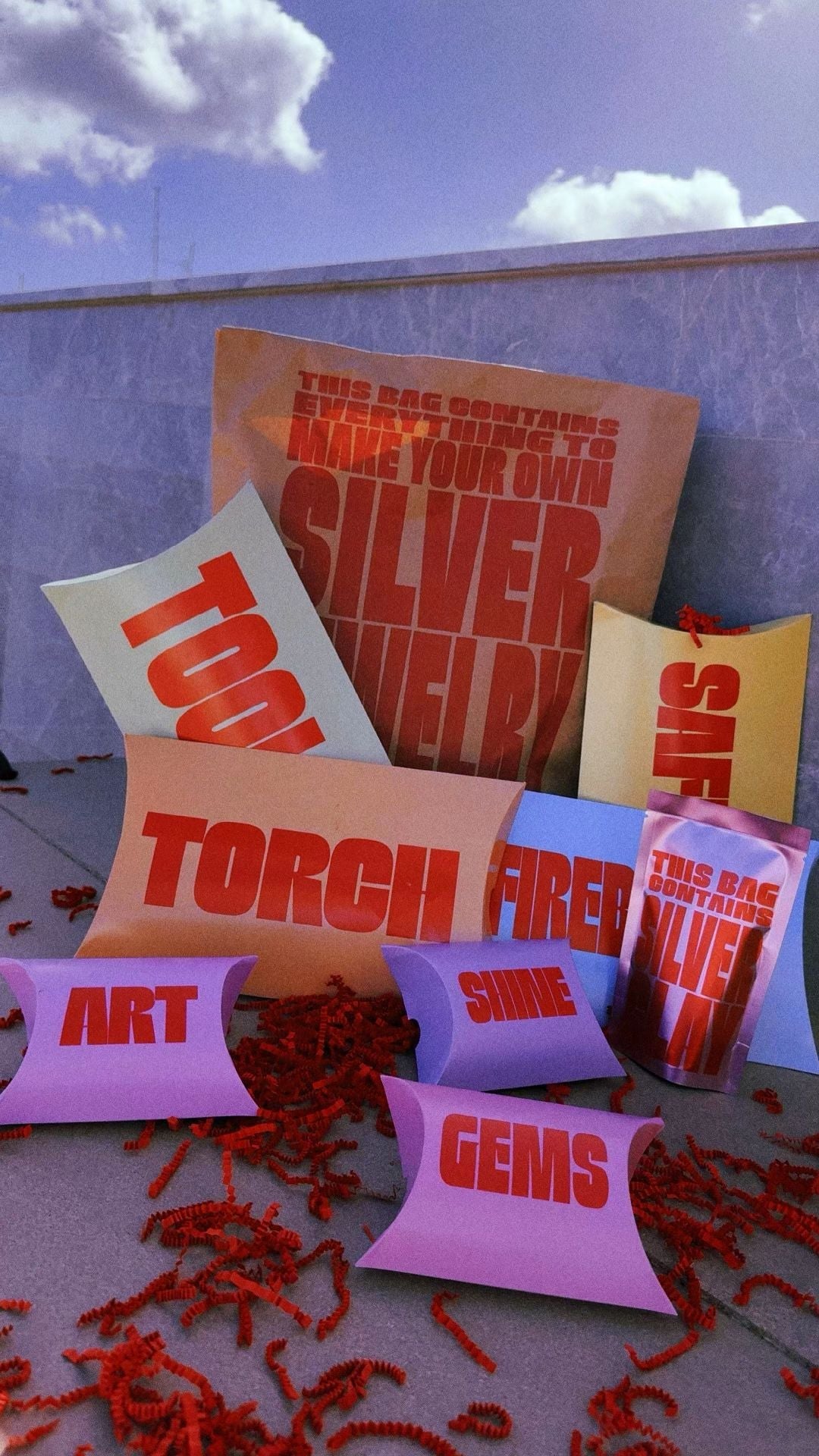
When you are ready to try it, the silver clay starter kit includes the clay, a torch, the tools, cubic zirconia stones and printed instructions, so there is nothing else to source. We ship worldwide with duties covered.