

Bracelet is one word covering a lot of very different objects. A rigid silver bangle and a knotted cord with three beads on it are both bracelets, but almost nothing about how they are made, worn or sized is the same. This guide runs through the main types of bracelets, what actually separates one from another, and which of them are realistic to make yourself at home.
Bangles
A bangle is a rigid closed circle that slides over the hand. There is no clasp, so the fit depends on the width of your knuckles rather than the width of your wrist. Measure across the widest part of your hand with the thumb tucked into the palm, then add a few millimetres. Bangles are often worn several at a time, and because they are stiff they knock together and make a soft clicking sound as you move.
Cuffs
A cuff is rigid like a bangle but open at one side. That gap lets you slip it on sideways and squeeze it gently to fit, which makes cuffs far more forgiving to size than a closed bangle. They also give you a broad, uninterrupted surface, so a cuff is the usual choice when the bracelet is meant to carry texture, stamping or engraving rather than stones.
Chain bracelets
These are a length of chain with a clasp at each end. Everything about the look comes down to the link style: a curb chain lies flat against the skin, a rope chain catches light from every angle, a box chain is square in section and hard-wearing. Chain bracelets are the most adjustable type on this list, because adding or removing a link changes the fit without altering anything else about the piece.
Charm bracelets
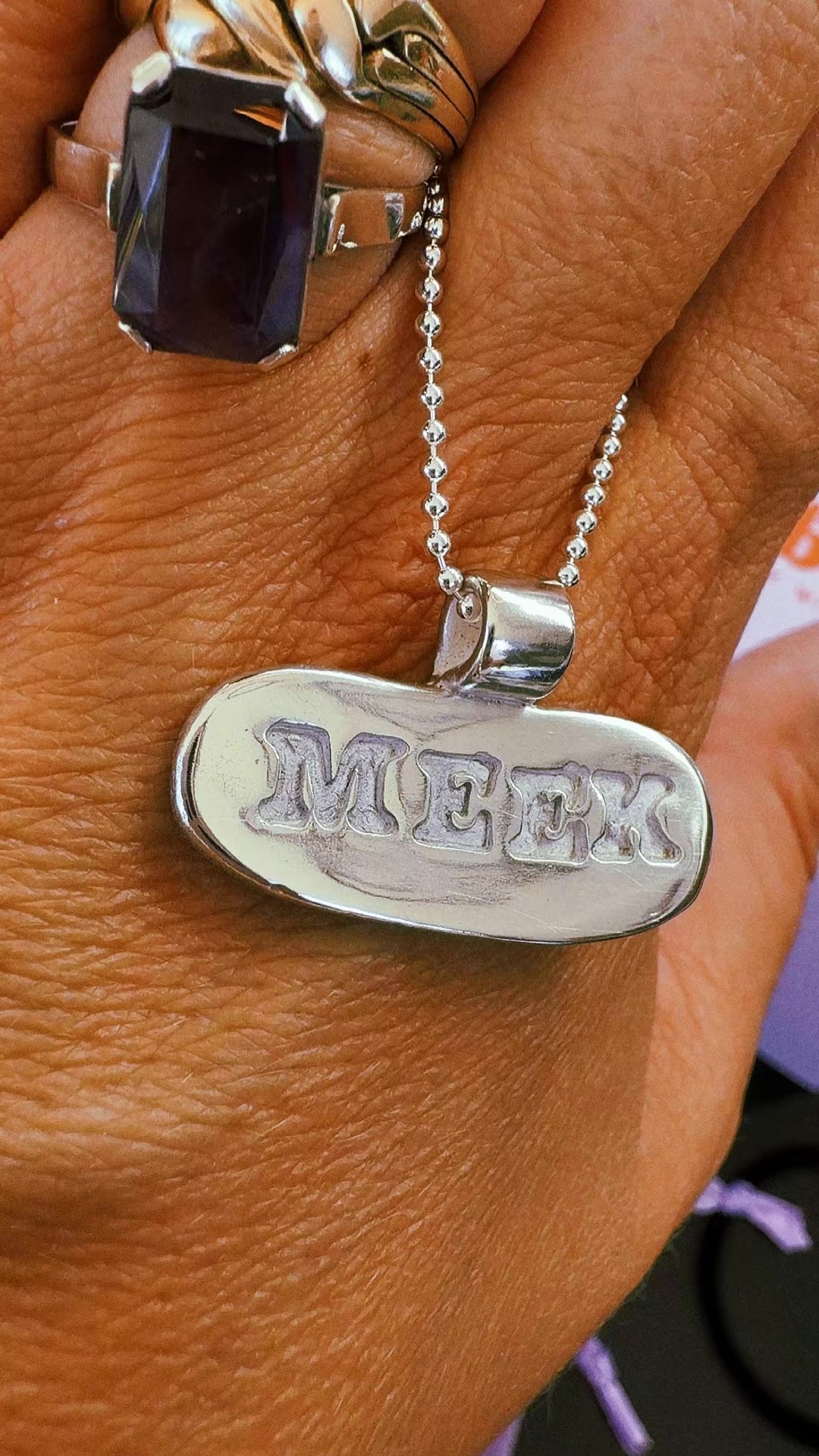
A charm bracelet is a chain bracelet with attachment points, built up slowly with small pendants that mean something to the wearer. It is the most personal style here and the one people keep adding to for years. Individual charms are also a sensible first project for a beginner, because each one is small, quick and low-stakes. If a shape does not come out the way you pictured it, you have lost very little.
Tennis bracelets
A tennis bracelet is a single unbroken line of identical stones, each held in its own small setting and linked to the next. The effect is a continuous ribbon of light around the wrist. It is a demanding piece to make well, because every setting has to match its neighbours and the whole line has to sit flat rather than twist. There is more on the style and its odd name in our guide to what a tennis bracelet is.
Beaded and cord bracelets
Beads strung on elastic, silk or waxed cord make up the largest and most varied group. They need no metalwork at all, and no clasp if the cord is stretchy, which is why they are usually the first bracelet anybody makes. Knotted cord styles, including the sliding-knot bracelet, adjust to any wrist by pulling the cords rather than by changing the length.
Which types of bracelets can you make at home?
More than most people expect. Beaded and cord bracelets need only materials and patience. Cuffs, bangles and charms have traditionally needed sawing, forming and soldering, which is where most beginners stop.
Silver clay changes that part of the picture. It is a modellable clay carrying fine silver particles in a binder. You shape it by hand, let it dry, then fire it with a small torch. The binder burns away and what is left behind is 99.9% fine silver. The piece shrinks by roughly 8–10% as it fires, so you build it slightly oversized to finish at the size you want — something worth planning for on a bangle, where a few millimetres decides whether it clears your knuckles.
That puts charms, small linked plaques and simple cuffs genuinely within reach on a kitchen table. If you have never worked with the material, our complete guide to silver clay walks through the whole process from packet to polished piece, and the silver clay starter kit contains the clay, torch, tools, cubic zirconia and instructions needed to finish a first piece.
Choosing between them
Choose by how the bracelet will actually be worn. Something for everyday wear under a sleeve wants to be low-profile and hard to catch, which points to a chain or a narrow bangle. Something meant to be noticed wants width and surface, which points to a cuff. Something that will grow over time, marking birthdays or trips, points to a charm bracelet. And if you want to make it yourself this weekend rather than one day, start with a charm and work up.