
Search for the most profitable crafts to sell and you will find a lot of lists and very little arithmetic. Profit is not a property of a craft: it is the gap between what a piece costs you to make and what someone will happily pay for it, divided by the hours in between. Some crafts make that gap easy to open. Others quietly close it.
The four numbers that decide it
Material cost per piece. Cheap materials do not automatically mean better margins, because cheap-looking materials cap your price.
Time per finished piece. Including the parts nobody counts: drying, curing, photographing, packing.
Perceived value. What a stranger assumes the item is worth before you tell them.
Repeat demand. Whether one happy customer ever buys again.
Which crafts tend to score well
Craft categories that repeatedly do well at markets and online share a pattern: small, light, quick to post, and easy to personalise. Candles, soap, ceramics, embroidery and jewellery all appear on every list for that reason.
The ones that struggle are usually large, slow or heavily discounted by mass production. Anything that takes a full weekend and competes with a factory version at a tenth of the price is a hard sell, however well made it is.
Where handmade silver fits among the most profitable crafts to sell
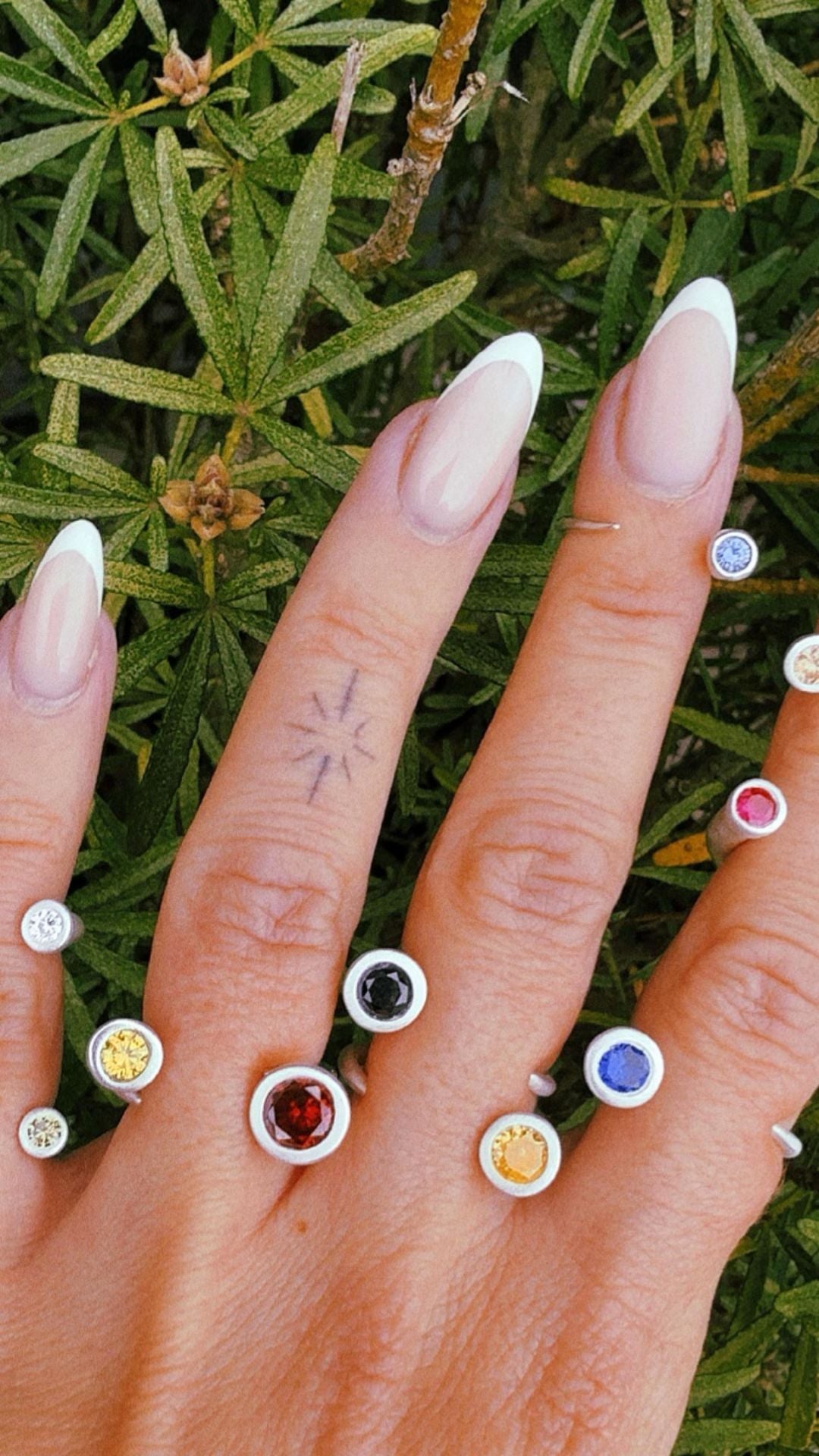
Jewellery scores unusually well on perceived value. A small silver piece is understood as valuable without explanation, packs into a padded envelope, and takes very little storage space for stock.
Silver clay is worth a look here because it removes the workshop. It behaves like modelling clay while you shape it, it is torch-firable rather than needing a kiln, and it fires down to 99.9% fine silver with roughly 8 to 10 per cent shrinkage. That means the barrier to making a saleable silver piece is a table, a torch and some practice, rather than a bench and years of training.
The honest caveat: silver is a real commodity, so your material cost per piece is not trivial and it moves with the market. Work small, weigh your clay, and price from your actual usage rather than a guess.
What actually lifts the margin
Personalisation is the single biggest lever. An initial, a date, a texture taken from something meaningful — none of it adds much time, and all of it removes the customer's ability to compare your price with anyone else's.
Consistency is the second. Buyers pay more when a set of pieces clearly belongs together, and repeat customers come back to a recognisable style rather than a scattered catalogue.
A sensible way to start
Make a handful of pieces before you make any decisions about selling. You will learn your real time per piece, which is the number every profit calculation depends on and the one everybody guesses wrong.
If silver is the direction you want to test, the silver clay starter kit includes the clay, a torch, tools, a cubic zirconia and instructions, and we ship worldwide with duties covered. For how the material behaves before you commit, read the complete silver clay guide.