
Paw print jewelry is one of those ideas that sounds sentimental until you actually hold a piece. A pad print in solid silver is small, oddly specific and completely unrepeatable, which is exactly what makes it worth making. This guide covers how to take a usable print from a real animal, transfer it into silver clay, and end up with something you can wear every day.
Why paw print jewelry suits silver clay
Silver clay takes fine detail beautifully. It is soft while you work it, holds an impression cleanly, and fires down into 99.9% fine silver. That combination is unusual: most ways of getting a print into metal involve casting, a workshop and someone else doing it for you.
Taking the print
Do not press your pet's paw directly into the silver clay. Paws carry oils, grit and hair, all of which mark the clay and are difficult to clean out, and most animals object to the pressure needed for a crisp impression.
Instead, take the print in a soft impression material first. Two-part moulding putty works well, and so does plain plasticine or air-dry clay if you are patient. Roll it flat, support the back of it, and press the paw down firmly for a couple of seconds. Do it when your pet is relaxed, ideally lying down, and stop if they are unhappy about it.
Take three or four attempts and pick the best. Prints are unforgiving, and the difference between a good one and a smudged one is obvious once it is in silver.
Transferring the print into silver clay
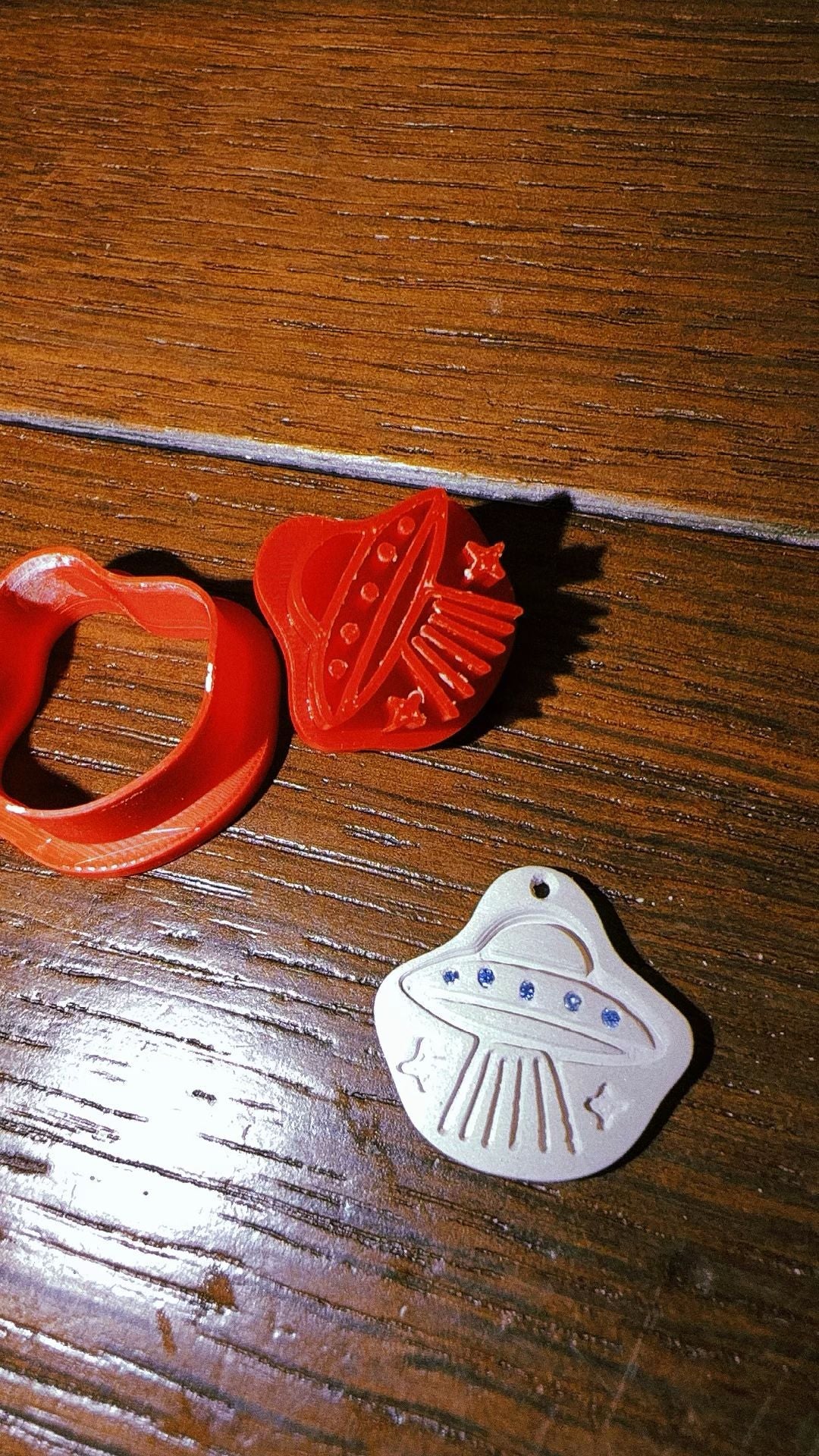
Once the impression has set, you have a negative of the paw. Roll your silver clay to an even thickness, lay it over the impression and press gently but evenly so the detail transfers without distorting the outline. Lift it away carefully, trim to shape, and cut a hole for a jump ring before the clay dries.
Keep the piece a little thicker than you think you need. A very thin pendant with a deep impression can end up fragile at the low points. Let it dry completely, then tidy the edges with a fine file or a sanding pad. A few minutes of care at this stage saves a great deal of polishing later.
Firing and finishing
Silver clay is torch-firable, so a small piece like this can be fired on a heatproof surface at your own table. It shrinks by roughly 8 to 10 per cent as the binder burns away and the silver particles fuse, which is worth remembering when you decide how large to cut the pendant. A print that felt generous in clay will be noticeably tighter in silver.
After firing, brush the surface to bring up the shine, then polish the raised areas while leaving the recesses slightly darker. The contrast is what makes the print readable. If you are new to firing, the walkthrough in how to use silver clay covers the whole sequence in order.
What to expect from the result
Be realistic about detail. A dog's pad print reads as a clean, recognisable shape rather than a photographic record, and fur around the edges rarely survives the transfer. That is not a failing: the appeal of paw print jewelry is the outline itself, in a metal that will still be there in fifty years.
If you want to make one, the silver clay starter kit has the clay, torch, tools, a cubic zirconia and instructions in one box, and we ship worldwide with duties covered. You can also buy silver clay on its own if you already have the rest.