

Working out how to sell jewelry on Etsy is less about the platform than most guides suggest. Opening a shop takes an afternoon. Getting someone to buy from a shop with no reviews takes rather longer, and that is the part worth preparing for.
Decide what you are actually selling
Etsy is crowded with jewellery, so a shop that sells "handmade jewellery" is invisible. A shop that sells fingerprint keepsakes, or textured fine silver rings, or memorial pieces, is findable - because those are the words people actually type.
Pick a narrow thing you can make consistently and make it ten times before you list it. Consistency matters more than variety at the start: it keeps your photos coherent, your descriptions reusable, and your making time predictable.
How to sell jewelry on Etsy: setting the listing up
A few things do most of the work:
- Title. Lead with what the item is, in plain words a buyer would use. Save the poetry for the description.
- Tags. Use all of them, and make them specific. "Silver ring" competes with everything; "textured fine silver stacking ring" competes with far less.
- Photos. Fill every slot. Include one on a hand or neck for scale - scale is the single most common question sellers get.
- Description. The first two lines carry the weight. Materials, size, and what makes it different, then the detail underneath.
- Processing time. Be honest and generous. Late is far more damaging than slow.
Price it so you would make it again
The usual mistake is pricing against other Etsy sellers rather than against your own costs. Add up the silver, the stone, the packaging, the postage and the platform's fees - check Etsy's current fee schedule directly, since it changes - and then add your time at a rate you would accept from anyone else.
If the resulting number feels too high, that is useful information. It usually means the piece takes too long, not that it is worth too little. Redesign it to make faster, or sell it at what it costs you.
Our note on the most profitable crafts to sell goes into the maths behind that in more detail.
Photographs do most of the selling
Silver is difficult to photograph and easy to photograph badly. Daylight near a window, a plain background, no direct sun, and a surface that is not pure white will get you most of the way. Shoot the same setup every time so your shop front looks like one shop rather than five.
Show the texture. A piece of handmade fine silver has marks and small irregularities that a factory piece does not, and those are the reason someone chooses you over a chain store. Photograph them deliberately instead of hiding them.
Describe handmade silver accurately
Say exactly what the metal is. Pieces made with silver clay are 99.9% fine silver once fired, and that is worth stating plainly - buyers searching for real silver want to be reassured, and vague wording costs you sales.
Note that each piece varies slightly because it is made by hand. This sets expectations honestly and turns a potential complaint into a selling point.
A realistic first month
Expect quiet. Most new shops sell little until they have a handful of reviews, and the sensible response is to keep listing, keep photographing consistently, and ask early buyers politely for feedback. Volume of listings and consistency of presentation are what shift the odds, not clever tricks.
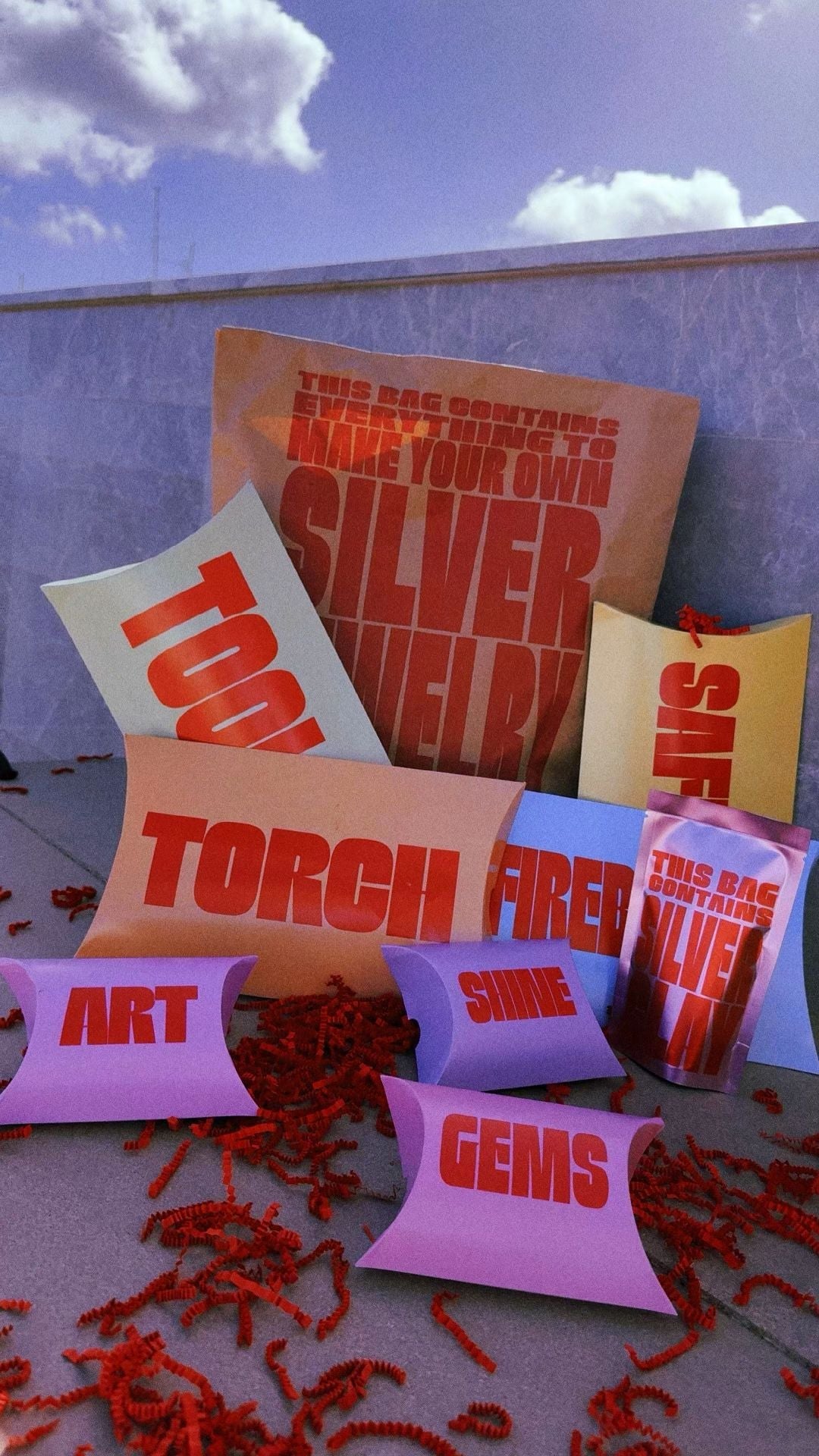
If you are still working out what to make, our complete silver clay guide covers the full process, and the silver clay starter kit includes the clay, torch, tools, a cubic zirconia and instructions to make your first pieces. We ship worldwide with duties covered, which is one less thing to work out while you are getting started.